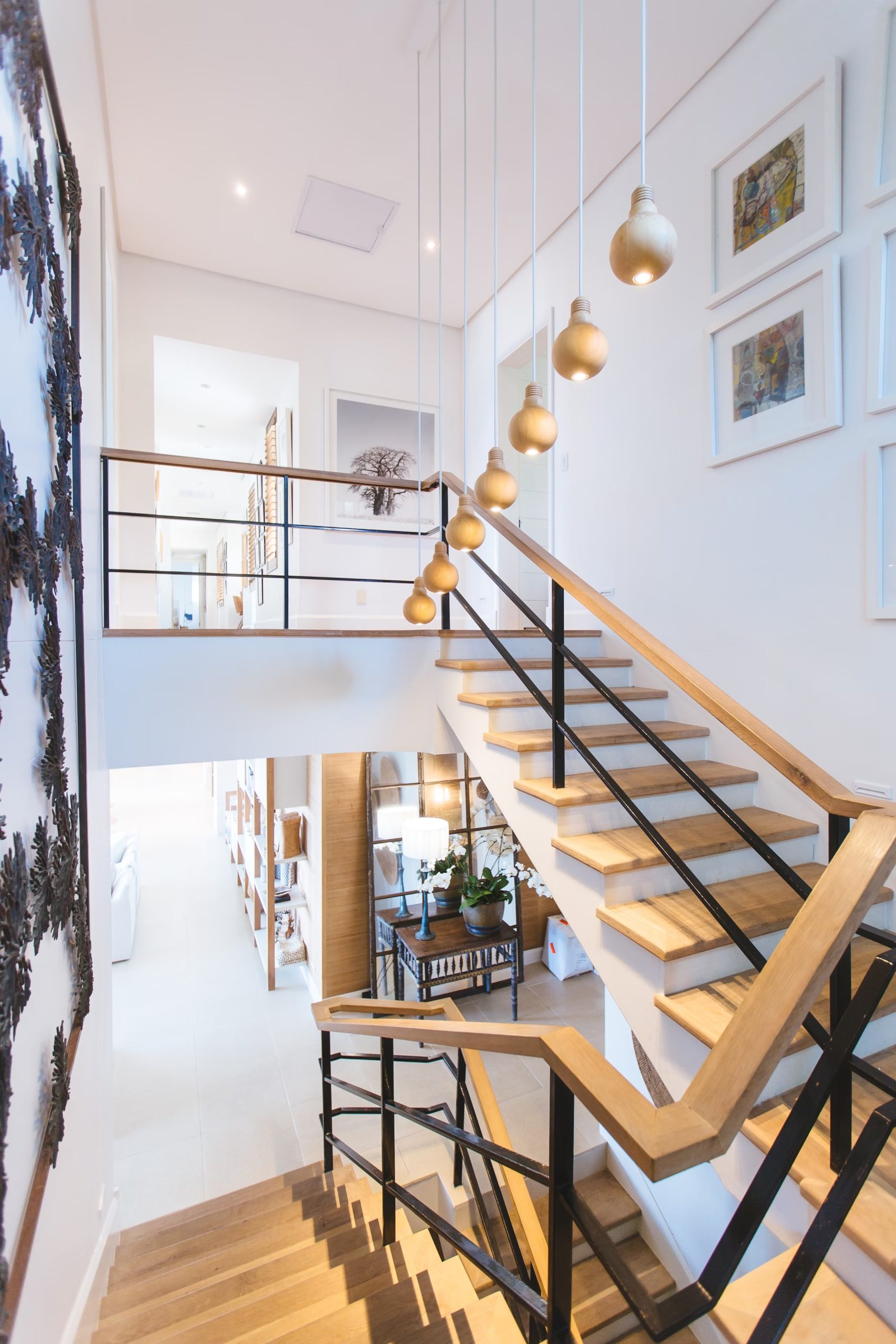
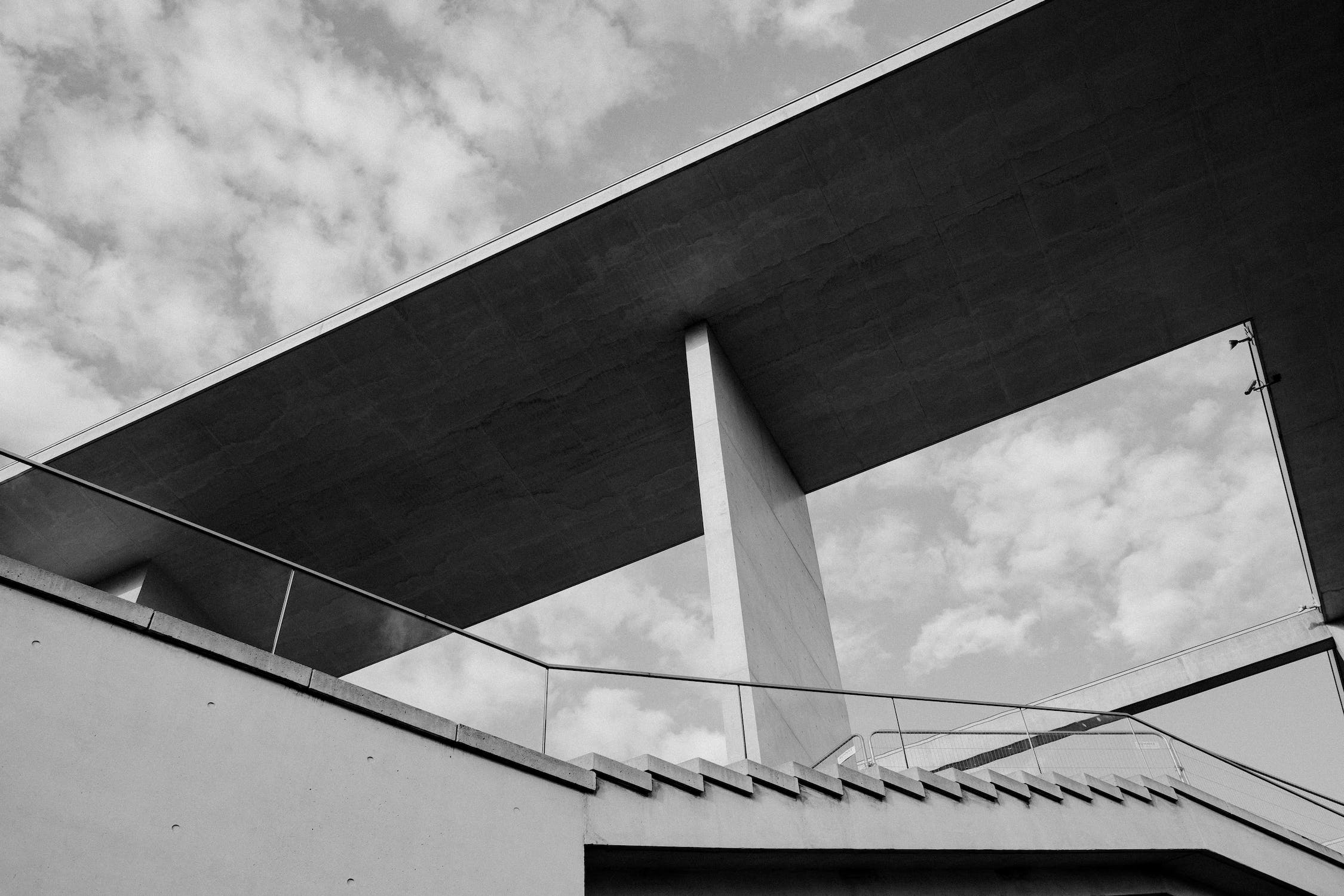
Midcentury modern homes and furniture have seen a remarkable resurgence in popularity in recent years. This design movement, which emerged in the mid-20th century, encompasses a range of styles that are characterized by their simplicity, functionality, and integration with nature. The midcentury modern aesthetic is defined by clean lines, organic shapes, and a seamless flow between indoor and outdoor spaces, making it timeless and appealing to a wide audience.
The roots of midcentury modern design can be traced back to the post-World War II era, when there was a societal push toward modernity and innovation. Architects and designers sought to create spaces that were not only functional but also aesthetically pleasing, using new materials and technologies that emerged during the war. The result was a style that emphasized simplicity, comfort, and a connection to the natural world.
One of the key features of midcentury modern homes is their emphasis on bringing the outdoors in. Large windows, open floor plans, and the use of natural materials like wood and stone help to blur the lines between inside and outside spaces. This not only creates a sense of openness and lightness but also promotes a harmonious relationship with the surrounding environment.
Midcentury modern furniture plays a crucial role in achieving this aesthetic. Iconic pieces such as the Eames lounge chair, the Noguchi coffee table, and the Saarinen tulip table have become synonymous with midcentury modern design. These pieces are celebrated for their innovative use of materials, sculptural forms, and functionality. Furniture designers of the era were pioneers in exploring new forms and techniques, which resulted in pieces that were not only beautiful but also comfortable and practical.
The appeal of midcentury modern design lies in its versatility and timelessness. Its simple yet elegant aesthetic can complement a wide range of interior styles, from traditional to contemporary. This versatility, combined with the quality and craftsmanship of midcentury pieces, has contributed to their enduring popularity. Today, midcentury modern homes and furniture are sought after by collectors, design enthusiasts, and anyone looking to add a touch of elegance and history to their living spaces.
The resurgence of midcentury modern design can also be attributed to its representation in popular culture. Television shows and movies set in the mid-20th century have played a significant role in reintroducing this style to a new generation. As viewers are exposed to the sleek and stylish interiors of midcentury modern homes, they are inspired to incorporate elements of this design into their own spaces.
In addition to its aesthetic appeal, midcentury modern design also embodies a philosophy of simplicity and functionality that resonates with contemporary lifestyles. In an era where living spaces are often cluttered and chaotic, the clean lines and uncluttered spaces of midcentury design offer a refreshing alternative. This design movement encourages us to focus on the essentials, creating spaces that are both beautiful and livable. The popularity of midcentury modern homes and furniture shows no signs of waning. As we continue to appreciate the beauty, simplicity, and functionality of this design style, it remains a relevant and influential force in the world of architecture and interior design. Whether through the preservation of original midcentury homes or the incorporation of midcentury furniture into contemporary spaces, this enduring style continues to captivate and inspire.